Read Time20 Mins
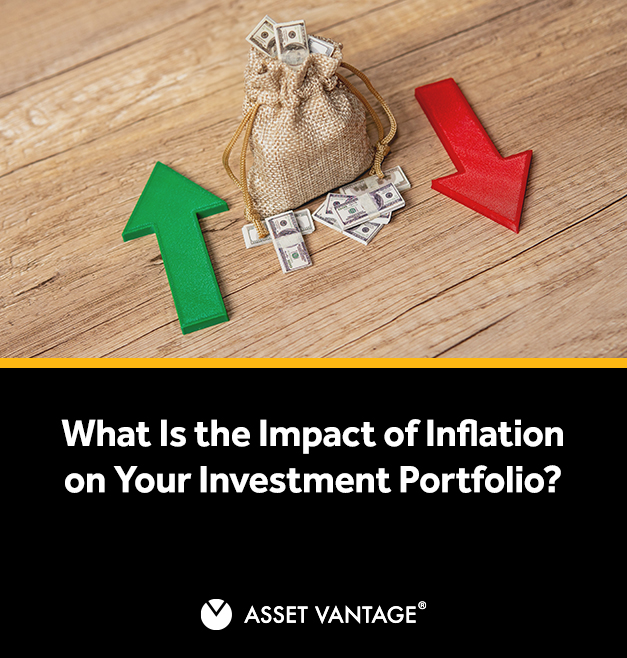
What Is the Impact of Inflation on Your Investment Portfolio?
Inflation changes how fast your money grows in real terms. As the inflation rate rises, price increases and higher inflation reduce purchasing power, lift interest rates, and move through corporate earnings, which together shape long term investment results.
How inflation impacts your portfolio:
- Purchasing power: Inflation reduces purchasing power, so nominal returns look healthy while real returns may fall.
- Interest rates and discount rates: Higher inflation pushes interest rates up, which lowers bond prices and compresses valuations in equity markets.
- Earnings and margins: Rising input costs and wages affect economic growth and company margins; firms with stronger pricing power handle inflation better.
- Asset class behaviour: Inflation impacts equities, bonds, real estate, and commodities differently; assets with flexible cash flows and real income adjust faster.
- Portfolio construction: Real return planning, shorter duration in fixed income, and selective exposure to sectors and regions that handle core inflation well help protect long term results.
What Inflation Means And Why the Inflation Rate Shapes Daily Decisions
How Inflation Is Defined Across Markets
Clear definitions allow investors to read price increases in context and anticipate how those movements will influence growth, margins, and valuation conditions.
Why Prices Rise In A Growing Economy
How Inflation Is Measured Through Consumer Prices
Headline Inflation And Core Inflation Differences
Headline inflation
- Includes all categories
- Reacts quickly to oil prices, supply shocks, and seasonal effects
- Helpful in understanding short-term pressure on households
Core inflation
- Excludes food and energy
- Shows structural price movement across services and long-lived goods
- Helps investors evaluate the direction of policy and long-term stability
How The Consumer Price Index Guides Policy
- When to adjust interest rates
- How to target support for housing, food, or transport
- How to update tax brackets so families do not lose purchasing power
- How to set budget assumptions for growth, borrowing, and spending
Why Inflation Emerges And How It Affects Production
Demand Pull Versus Cost Push Conditions
| Factor | Demand Pull Inflation | Cost Push Inflation |
|---|---|---|
| Primary Driver | Strong demand outpacing supply | Rising input costs and supply constraints |
| Typical Conditions | Growth, stable employment, expanding capacity | Raw material shortages, energy spikes, supply shocks |
| Price Behaviour | Firms raise prices to manage demand | Firms raise prices to protect margins |
| Output Response | Output increases if capacity allows | Output stalls due to limited capacity |
| Impact on Earnings | Often supports earnings and volume | Compresses margins unless prices fully adjust |
| Investor Signal | Indicates strong economic activity | Signals cost pressure and potential earnings risk |
How Money Supply Changes Pricing Power
| Money Supply Move | Inflation Impact | Growth Impact | Interest Rate Impact | Valuation Impact |
|---|---|---|---|---|
| Liquidity rising quickly | Price pressure builds as demand outpaces supply | Growth lifts in the short term | Rates may stay low initially but rise as inflation builds | Multiples expand until rate expectations reset |
| Credit conditions ease | Broader inflation as spending increases | Growth accelerates across services and goods | Borrowing costs fall and support activity | Higher valuations driven by easier credit |
| Money supply grows faster than output | Input costs rise; broader inflation emerges | Expansion slows if costs outpace productivity | Central banks prepare to raise rates | Multiples compress as discount rates move higher |
| Liquidity stabilises after expansion | Inflation moderates as supply catches up | Growth normalises | Rates level out as policy stabilises | Valuations depend more on earnings than liquidity |
| Liquidity tightens | Inflation softens as demand cools | Growth slows across discretionary categories | Rates rise for refinancing; credit becomes selective | Multiples fall, especially for high-duration assets |
| Credit availability contracts | Limited inflation except in essentials | Growth decelerates quickly | Borrowing costs increase | Valuations favour firms with stable cash flows |
| Money supply grows more slowly than output | Price pressure fades | Demand weakens; output adjusts | Rate pressure eases as inflation falls | Multiples stabilise at lower levels |
How Inflation Reduces Purchasing Power Over Time
Nominal Returns And Real Returns
| Measure | What it captures | Why does it drive decisions |
|---|---|---|
| Nominal return | Stated percentage gain | Helpful in reporting, not purchasing power |
| Real return | Nominal return minus inflation | Shows true progress toward future spending needs |
| Real value impact | How returns compare with increasing prices | Determines whether wealth accumulates or erodes |
How Households Adjust When Value Erodes
- Reducing discretionary consumption such as travel, dining, and non-essential goods
- Reallocating income to rent, food, healthcare, and transport
- Increasing short-term savings to build buffers for uncertainty
- Delaying large purchases during periods of rising prices
- Rebalancing debt payments as interest costs rise
How Economic Growth Interacts With Changing Price Levels
Economic growth and price levels move together because expanding demand strains capacity, labour, and supply chains. During periods of strong growth, businesses raise prices to manage workloads, and cost pressure spreads through wages, raw materials, and services. When productivity growth slows but input costs climb, companies raise prices to protect margins even during expansion.
How Businesses Manage Higher Input Costs
- Raising prices when demand is strong enough to absorb increases
- Improving productivity through automation or better process design
- Adjusting product mixes toward items with more substantial margins
- Renegotiating supplier contracts when long-term stability is needed
- Delaying capital expenditure when borrowing or input costs increase
How Consumer Spending Responds To Price Increases
- Budgets stay stable
- Discretionary spending supports growth
- Earnings remain broad-based across sectors
Moderate inflation
- Essentials take priority
- Some discretionary categories soften
- Earnings diverge as consumers adjust their financial situation
High inflation
- Households cut non-essential spending sharply
- Savings buffers fall as real value erodes
- Demand slows across most categories
How Interest Rates Respond To The Impact Of Inflation
How Central Banks Manage Monetary Policy
- Setting policy rates that influence borrowing and saving
- Managing liquidity through market operations and balance sheet changes
- Guiding expectations through forward communication
- Stabilising the currency by shaping capital flows
- Adjusting conditions that affect hiring, investment, and credit demand
The Federal Reserve And Its Policy Signals
- Policy rate changes that affect mortgages, loans, and corporate financing
- Balance sheet adjustments that influence liquidity across markets
- Forward guidance that shapes expectations for the path of rates
- Communication on inflation expectations that guides portfolio positioning
- Actions that influence currency strength and capital flows
How Inflation Moves Through The Real Economy
Inflation moves through the real economy before it appears in market prices. It begins with rising input costs, then affects wages, hiring plans, and production decisions. In some cycles, strong income growth or easy credit can spur demand even as costs rise, creating additional pressure on suppliers and service providers.
How Companies Adjust To Higher Prices
How Consumers Shift Demand In Inflation Cycles
How Inflation Conditions Shape Investment Results
When High Inflation Hurts Market Stability
When Growth Absorbs Inflation Pressure
How Different Asset Classes React To Inflation
Cash And Short-Term Instruments In Rising Prices
- Cash maintains liquidity but loses real value during rising prices
- Short-duration instruments adjust faster to rate increases
- Savings behaviour shifts as interest costs influence borrowing and repayment
- Cash becomes more useful for optionality than for long-term value preservation
Bonds And The Impact Of Duration
| Bond Type | Sensitivity to Rate Changes | Inflation Risk | Typical Behaviour During Rising Prices |
|---|---|---|---|
| Short Duration Bonds | Low | Lower inflation exposure | Adjust quickly and hold value better |
| Intermediate Duration Bonds | Moderate | Moderate | More affected by persistent inflation |
| Long Duration Bonds | High | High | Decline sharply as yields rise |
Duration guides how fixed income strategies preserve value during inflation cycles.
Inflation-Indexed Bonds And Their Role
- Protecting real value when inflation increases
- Offering a predictable inflation-adjusted income
- Reducing the gap between nominal and real returns
- Supporting planning for long-term obligations
Equities And Pricing Power Advantages
- Strength of pricing power in each sector
- Ability to pass higher costs to customers
- Sensitivity to services increases and raw materials
- Stability of demand when household income is strained
Real Estate And Income Adjustments
Real estate often adjusts to inflation through higher rents and replacement costs. Mortgage rates and credit availability influence valuations because higher borrowing costs reduce affordability and slow demand.
| Real Estate Type | Inflation Sensitivity | Income Adjustment | Key Drivers |
|---|---|---|---|
| Residential Property | Moderate | Rent increases track inflation slowly | Mortgage rates and household income |
| Commercial Property | High | Lease resets adjust value | Credit conditions and occupancy |
| REITs | High | Dividend income reflects rent cycles | Rate expectations and sector exposure |
Real estate can protect value during inflation, but performance varies by market and financing conditions.
Commodities And Supply Shocks
Commodities strengthen when supply shocks lift prices across energy, metals, and agricultural goods. High oil prices and raw materials shortages reveal how inflation moves through the economy before consumer prices adjust.
Why commodities matter during inflation cycles:
- They respond directly to supply and production constraints
- Prices adjust faster than financial assets
- Exposure provides partial protection during rising input costs
- Commodity performance signals early inflation pressure across sectors
Global Investing During Inflation Shifts
| Region | Inflation Pattern | Policy Response | Impact on Investors |
|---|---|---|---|
| United States | Cyclical with strong demand influence | Rapid rate adjustments | Quick valuation resets |
| Europe | Energy-driven inflation | Gradual tightening | Slower earnings cycles |
| Emerging Markets | Volatile and supply dependent | Mixed responses | Currency and demand variability |
| Asia | Productivity supported inflation | Targeted interventions | More stable long-term trends |
Global allocation spreads risk across different inflation regimes and policy cycles.
Inflation Regimes And Their Market Implications
Low And Stable Inflation Phases
- Predictable cash flows that support consistent earnings
- Fundamentals rather than higher interest rates influence valuations
- Stable interest conditions that guide long-term planning
- Lower volatility across sectors tied to discretionary demand
Elevated Inflation And Tightening Cycles
- Higher interest rates that reduce credit availability
- Slower investment as capital becomes more expensive
- Margin pressure when input costs outpace pricing power
- Valuation resets as discount rates increase
Slow Growth With Rising Prices
| Factor | Stagflation Behaviour | Investor Implication |
|---|---|---|
| Growth | Weak or stagnant | Earnings slow across most sectors |
| Prices | Rising across essentials | Purchasing power declines and demand weakens |
| Employment | Pressure builds as firms manage costs | Hiring slows and wage gains may lag prices |
| Policy | Limited ability to stimulate without raising inflation | Harder to achieve the right balance in policy response |
| Asset Impact | Mixed, uneven performance | Inflation protection and sector rotation grow more important |
How Investors Offset Inflation Risk
Asset Allocation For Different Inflation Paths
| Inflation Path | Asset Behaviour | Allocation Priority | Investor Benefit |
|---|---|---|---|
| Low and stable inflation | Predictable cash flows | Equities, high-quality bonds | Steady returns and clearer valuation signals |
| Moderate inflation | Rising input costs and selective pricing power | Global equities, real estate, short-duration bonds | Balanced growth with partial inflation protection |
| Elevated inflation | Higher interest rates and tighter credit | Commodities, inflation-indexed bonds | Protection of real value and reduced duration risk |
| Volatile inflation | Rapid shifts in policy and demand | Mixed global allocation | Reduced reliance on any single market |
Real Return Planning For Long-Term Goals
- Estimating long-term inflation trends that influence financial planning assumptions
- Adjusting income expectations, including social security benefits, for real value
- Matching assets to future liabilities using inflation-aware strategies
- Protecting purchasing power through assets with flexible cash flows
- Reviewing whether projected cash flows maintain real value after rising costs
These adjustments help families sustain long-term financial stability even when inflation trends shift.
Rebalancing During Policy Cycles
Effective rebalancing during policy cycles includes:
- Reducing duration when higher interest rates affect fixed income
- Increasing exposure to sectors with stronger pricing power
- Adjusting global allocation based on policy divergence across countries
- Reviewing liquidity positions when borrowing costs rise
- Assessing valuation changes triggered by shifts in policy guidance