
Read Time5 Mins
A family-office expert and G2 family member offers guidance on governance
Despite two financial crises and a profoundly disruptive pandemic, global wealth swelled to $418 trillion in 2020, up from $118 trillion in 2000. To navigate this surge, a record number of UHNW families have opened family offices to oversee their assets, manage their investments, and control their finances.
#1. Purpose: A distinctive, well-articulated vision and mission.
#2. Governing board/investment committee: Both are indispensable given the transitions within families, increasing complexity on a global scale, and the challenging dynamics of managing families.
#3. Technology: To create actionable views of wealth, promote transparency, eliminate manual errors, and empower the next generation.
#4: Protocols to strengthen communication and collaboration: Neither of which happens by itself. Even in close-knit families, interaction can stall without protocols to support it.
#5: Benchmarks: For measuring and reassessing performance across the board, from investing to philanthropy
Read more: Family Governance in Multi-Family Offices and Succession Planning
Indeed, Citi estimates that as many as 15,000 family offices have emerged in the last two decades alone, prompting a stream of advice. Consider just three nuggets, culled from a lightning-fast Google search:
“Five Tips for Setting up a Family Office”
“Seven Questions to Ask Before Creating a Family Office”
“Ten Things a Family Office Should Include”
Guidance abounds. But none of it, we believe, surpasses the clarity of what you’ll hear from Commercial Director at PKF Funds, Family and Family Office. A G2 family member himself – his family founded and operates a successful construction company – he is deeply experienced in helping families and their SFOs manage family issues, governance, administration, accounting, and reporting.
Let’s start with the role of governance. How would you define it?
To fully appreciate the role of governance, you’ve got to understand the family’s journey. It starts with building an operating entity and growing it to where it generates enough profit to begin investing outside the business. This is how family offices typically begin: embedded in the operating entity, run by the CFO or Finance Director, and reliant upon the same technology and personnel that support the business.
What comes next?
As profits grow and outside investing diversifies, families should look to decouple their office from the operating entity and hire managers trained in family-office management: the financial elements, entrepreneurial attributes, investing essentials, and cultural components like legacy building. But first, they’ll need to consider an all-important question: What is the purpose of our family office?
Once they’ve answered that, the next two questions are complementary: What are our objectives and performance goals, and what kind of support system do we need to pursue them? Specifically, what criteria should be applied to hiring internal talent, designing an organizational structure, acquiring technology, and appointing outside advisors for asset management, tax, legal, estate planning and more?
In short, what should the family office look like?
From these four core attributes –purpose, objectives, performance goals, and the support structure needed to deliver them– emerge the basics of a strong governance framework:
- A well-articulated vision and mission
- A governing board and investment committee
- A technology platform
- Protocols to strengthen communication and collaboration
- Benchmarks for measuring and reassessing performance across the board, from investing to philanthropy.
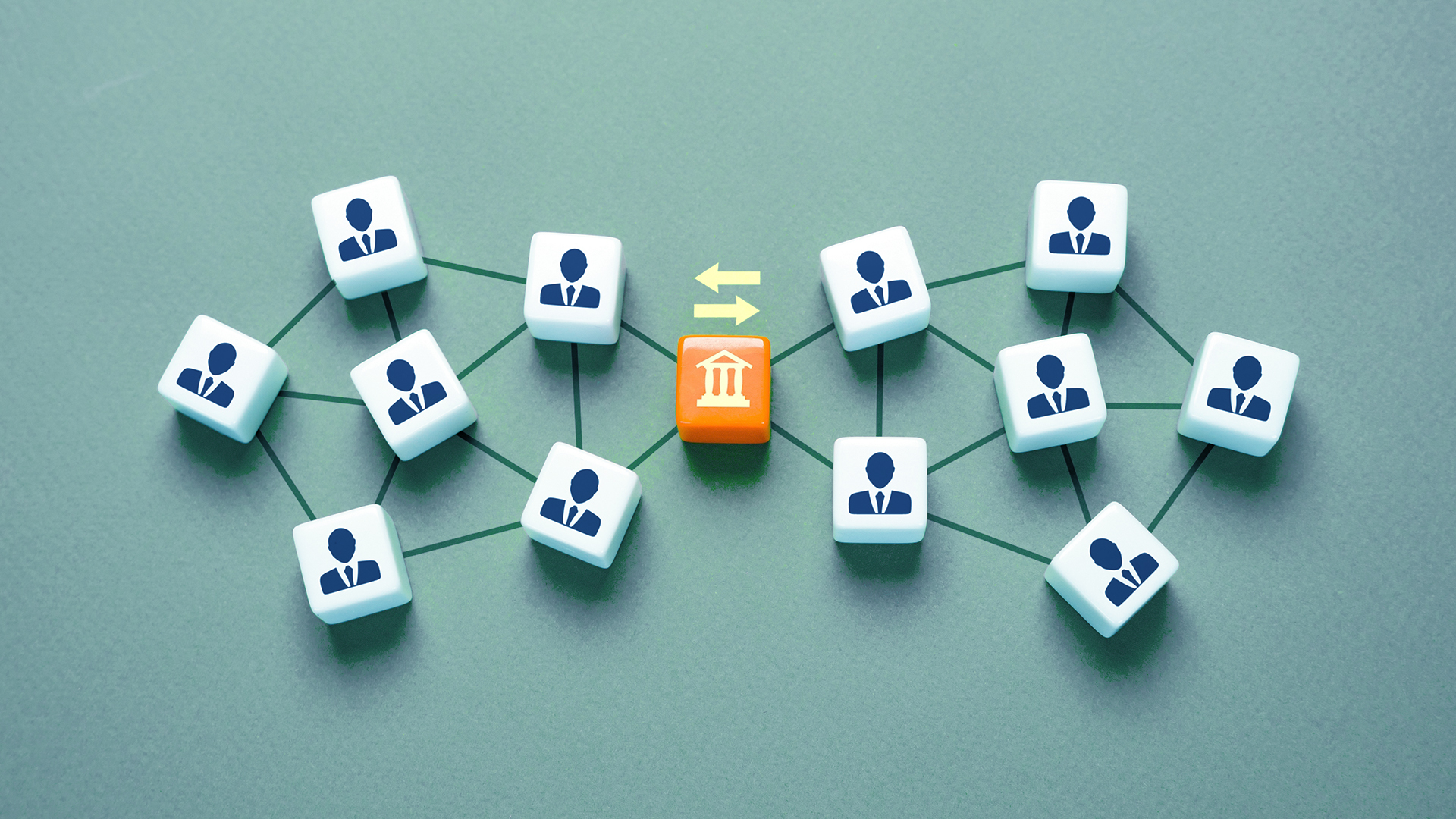
So operating the family office begins with a declaration of purpose.
If your purpose is pure asset allocation, you’d manage your office to produce insights that inform investment decisions: How much money do you need to live? How much liquidity to preserve and how much to risk? How far into the unknown should diversification take you?
If your purpose includes engaging the younger generation, you’d pay careful attention to managing the risks of impact investing. If inheritance planning and tax mitigation feature prominently in your purpose, you’d look for staff and advisors skilled in these complementary specialties. And if enhancing reputational equity is high priority, you’d manage the office to avoid even one iota of negative publicity.
“Purposes” vary, and they evolve. But essential to each is the capacity to pursue it, which begins with a clear view of a family’s complete financial picture: all assets and liabilities, liquidity, and cash flow. And more than just a clear view, families should have an independent view of their wealth; an objective view that exposes hidden risks and uncovers hidden fees.
Does technology play a special role today in the management of family offices?
Yes – particularly for those accustomed to doing business face-to-face. In a world adjusting to remote work, technology can unite family members, their professionals, and advisors – all of whom rely on the data and analytics that reside on the platform. That’s the first facet of technology’s value: It can render distance irrelevant.
The second facet: Technology engages the next generation – not just because it’s digital, but also because it provides access to the data and analytics younger family members need to contribute to discussions and decisions.
Technology creates transparency. And transparency enables involvement. And finally, a digital platform for carrying real-time data and generating actionable insights beats 45 analysts stuck in a room using spreadsheets – a scenario that invites error and compromises the security, and whose work product is stale on arrival.
If families want their offices to engage next generations, they’ll need a seamless, secure Family Office Software platform that promotes transparency and is easy to use. Add performance reporting, investment accounting, document storage, and the data requirements of daily management, it’s clear that technology is the foundation of today’s family office.
Is there one overarching principle that sits at the center of good family-office governance?
At the center of family office governance is the family hierarchy and rules for what each member is authorized to do and when. That’s part one. Part two is an understanding of processes and outcomes; an appreciation of processes to repeat, processes to modify, and processes to abandon.The net result: better performance.
[maxbutton id=”9″ ]


