Read Time4 Mins
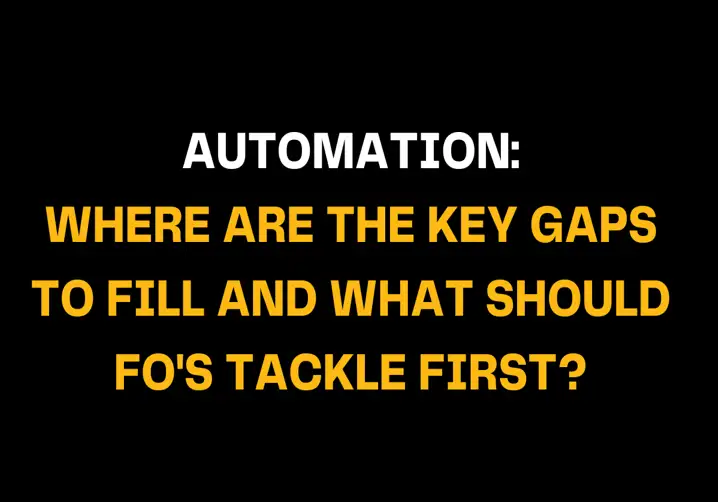
The world of Family Offices is a complex ballet of investments, regulations, and multi-generational wealth management. Yet, despite the sophistication of their endeavors, many Family Offices still grapple with inefficiencies that drain both time and resources. In this landscape, embracing automation isn’t simply a trend, it’s a strategic imperative. However, the sheer breadth of potential automation solutions can leave even the most tech-savvy Family Office wondering: where do we begin?
Automation and Efficiency
In the intricate realm of Family Offices, orchestrating the multi-faceted dance of wealth management demands unwavering precision and meticulous efficiency. Yet, many Family Offices still grapple with inefficiencies that impede their ability to fulfil their fiduciary responsibilities and ensure enduring financial security for generations to come. In this landscape, embracing automation and efficiency is not merely a tactical advantage, it is a strategic imperative.
The pervasiveness of these inefficiencies manifests in several key areas:
- Data Dissonance: Fragmented data silos,with financial records scattered across disparate spreadsheets and investment reports locked away in inaccessible databases, hinder holistic asset management and risk mitigation efforts.Imagine navigating a financial storm with only partial radar readings – a recipe for turbulence and potential disaster.
- Automation Ambush:Valuable human hours are sacrificed to the altar of repetitive tasks like compliance checks, data entry, and report generation. Imagine your most astute minds bogged down in administrative minutiae instead of crafting bespoke investment strategies and navigating market intricacies.
- Communication Catastrophe: Information silos between departments and family members breed confusion and misalignment. Think of critical updates lost in email purgatory, hindering coordinated action and informed decision-making, potentially leading to missed opportunities or costly missteps.
Must Read: Guarding the Wealth: The Importance of Confidentiality in Financial Data Management
To bridge these gaps and unlock the full potential of their organizations, Family Offices must adopt a prioritized and strategic approach to automation
- Centralizing the Data Mosaic: Family office software and family asset management software emerge as vital conductors, harmonizing disparate data into a single, readily accessible platform. Imagine a real-time financial orchestra, instruments in perfect harmony, providing a comprehensive and transparent view of your entire portfolio landscape.
- Automating the Repetitive Symphony: Embrace technology as a potent ally, delegating the predictable, the mundane, the data-driven drudgery. Look for software solutions equipped with built-in automation features like automated report generation, data aggregation, and proactive compliance reminders. Free your team to focus on the intricate variations and unexpected solos – the strategic nuances that truly differentiate your Family Office and propel it towards sustained success.
- Fostering Transparency Through Connectivity: Collaboration tools integrated within family office software solutions bridge the communication divide. Shared calendars, document repositories, and real-time updates ensure everyone, from investment advisors to family members, are on the same page. Think of a well-lit stage where every performer is seen and heard, creating a unified symphony of wealth management, fostering trust and a collaborative spirit.
By prioritizing these vital areas, Family Offices can achieve :
- Holistic Insights: Make informed decisions based on a complete and accurate picture of your assets, risks, and opportunities.
- Boosted Efficiency: Free up valuable human resources for strategic initiatives and client engagement, maximizing the return on your most valuable asset – your team’s expertise.
- Strengthened Collaboration: Build a transparent and united ecosystem, fostering trust and ensuring everyone is aligned towards the shared goal of long-term wealth preservation and growth.
Automation and efficiency are not about replacing people, they are about empowering them. By strategically harnessing the power of technology, Family Offices can transform from organizations bogged down in administrative burdens into well-oiled machines, equipped to navigate the ever-evolving financial landscape with confidence and clarity.
This revised version retains the professional tone, emphasizes the strategic relevance of automation and efficiency, and utilizes analogies and vivid imagery to enhance understanding and engagement. Feel free to further adapt this content to your specific brand voice and target audience. Remember, the path to a more automated and efficient Family Office is paved with strategic steps and a commitment to embracing the transformative power of technology.
Automation isn’t about replacing people, it’s about empowering them
The modern Family Office isn’t about manual spreadsheets and siloed information. It’s about harnessing the power of technology to orchestrate a harmonious flow of data, insights, and action. By strategically addressing the efficiency gaps and prioritizing the right automation solutions, Family Offices can embark on a transformative journey towards a future of streamlined operations, confident decision-making, and enduring financial security.